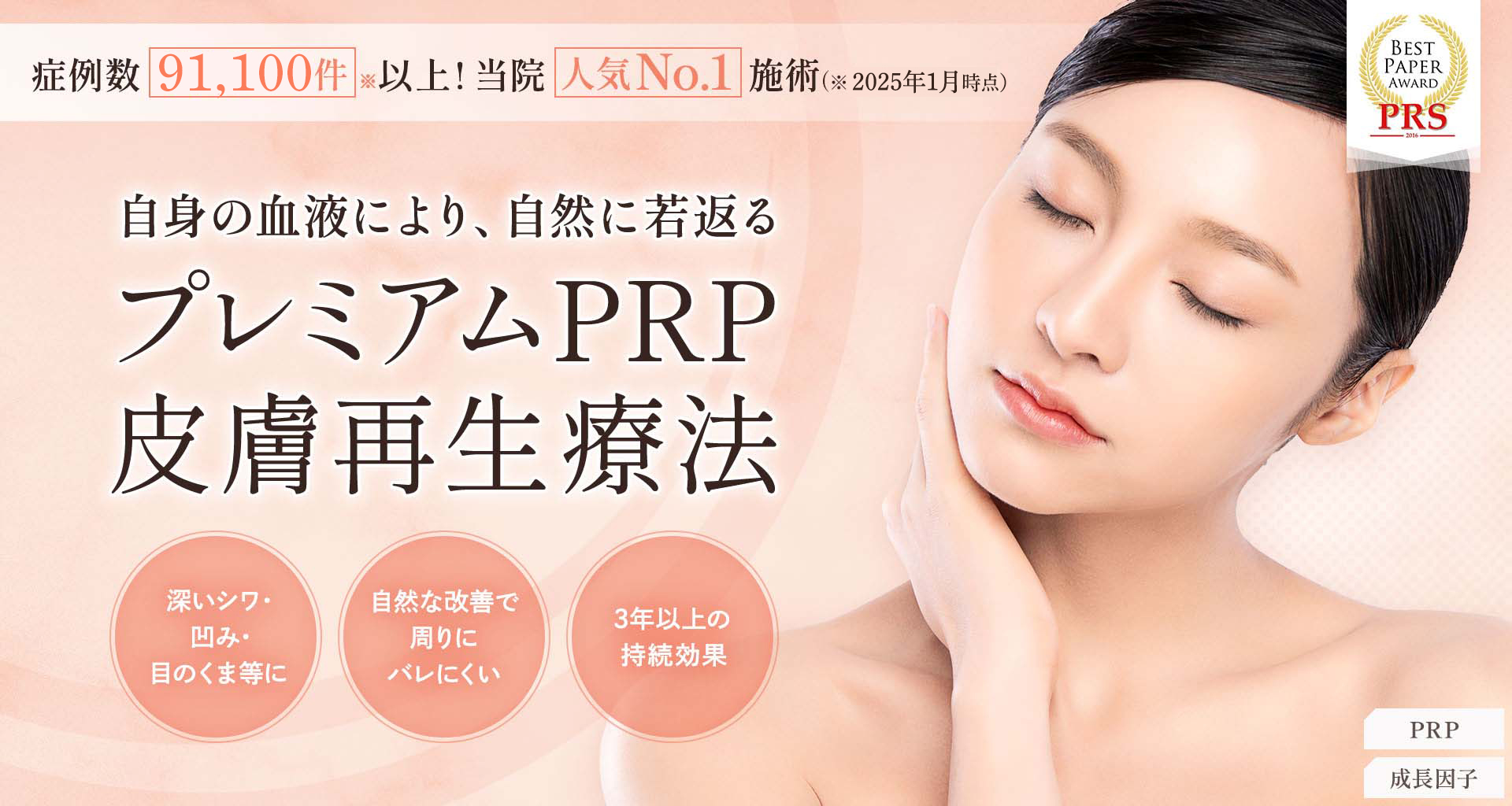
プレミアムPRP皮膚再生療法
患者様ご自身の血液を採取し、血液から多血小板血漿(Platelet Rich Plasma)を高濃度に抽出。抽出した高濃度PRPに対し、患者様の症状にあわせた当院独自の配合比率で成長因子を添加。これを過去の症例経験に基づく最適な量で、対象の部位へと注入する肌再生施術です。

とことん真面目に、美容医療。

無料カウンセリング
まずは無料カウンセリングから
医師が直接、患者様のお悩みや状況を十分にお伺いします。最寄りの聖心美容クリニックでご相談いただけますので来院予約をお願い致します。
0120-600-856
電話受付 [09:30 - 20:00] 夜間 [20:00 - 23:00]
自動音声対応 [23:00 - 9:30]
※20時以降は新規予約のみです。

0120-600-856
電話受付 [09:30 - 20:00] 夜間 [20:00 - 23:00]
自動音声対応 [23:00 - 9:30]
※20時以降は新規予約のみです。
聖心美容クリニックでは、患者様にリラックスしてお過ごしいただけますよう、心を尽くしてお待ちしています。プライバシーが確保された空間で、安心して再生美容についてご検討ください。
無料
カウンセリング

深いシワには当院で行っているもう一つのPRP療法「プレミアムPRP皮膚再生療法」を、細かなシワ・ちりめんジワには、「New-PRP皮膚再生療法(PRP+白血球)」を行うことで、メスを一切使用せずに様々なシワ治療が可能です。
従来のPRP皮膚再生療法は効果の実感までにおおよそ2~3ヶ月程度かかっていましたが、New-PRP皮膚再生療法では 1~2ヶ月で効果を実感することが可能になりました。
New-PRP皮膚再生療法では、PRPの濃縮率を従来の3~5倍程度にまで高め、従来では殆ど含まれていなかった白血球を含む“自己白血球含有多血小板血漿の抽出”を可能にしています。「PRP」と「白血球」との相互作用によって、従来よりも優れた肌再生効果が発揮されます。
注入から約1~2ヶ月をかけて、肌内部からゆっくりと再生されていくため、見た目の違和感がなく自然な仕上がりが期待できます。お肌の細胞自身が活性化されるため、従来の注入法よりも若返り効果が長続きします。
また、ヒアルロン酸を目元・額へ注入した場合、不自然な仕上がりになったり透けて青く見えることもありました。プレミアムPRP皮膚再生療法では、このような不自然さはありません。
ご自分の血液から抽出した成分を用いるため、アレルギーの心配はありません。アトピーなどのアレルギー体質でこれまで注入法を敬遠されていた方も、安心してお受けいただけます。
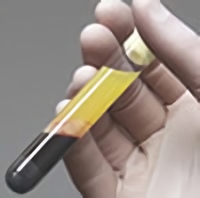
患者様ご自身から採取した血液から「血小板を多く含む血漿(Platelet Rich Plasma)」を高濃度に抽出し、対象の部位に注入する肌再生施術です。PRPには本来人間に備わった自然治癒力と組織再構築力を増強する働きがあり、更に当院では従来のPRP療法よりPRPの濃縮率を3~5倍に高め、効果が格段に向上した「New-PRP皮膚再生療法」を行っています。
注入することで細かなちりめんジワやニキビ跡の凸凹などを改善していきます。
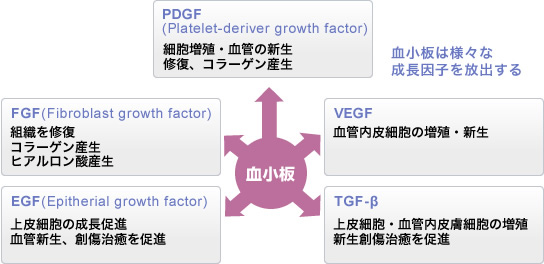
PRP皮膚再生療法では、ご自身の血液に含まれる血小板を多く含む「多血小板血漿(たけっしょうばんけっしょう:Platelet – Rich Plasma=PRP)」という成分を利用します。
血小板には人体が損傷した際に血流を止め、細胞や血管をを治す働きがあります。この血小板には「成長因子」と呼ばれる、細胞の持つ自己修復能を活性化させる成分を放出させる働きがあり、コラーゲンの産生や毛細血管の新生などが促され、肌の再生/若返りを促進します。
New-PRP皮膚再生療法では高濃度に濃縮させたPRPと、白血球を含む「自己白血球含有多血小板血漿」を注入することにより、様々な肌の悩みを改善していきます。
現在、多くのクリニックにおいて様々な施術名称で「自己血小板」を用いたシワ取りやニキビ治療などが行われています。これらに共通するのは“多血小板血漿(PRP)を使用した皮膚再生医療”という点です。しかし、治療の効果には大きな違いがあるのです。治療を受ける際は、以下の点に注意してお選びいただくことをお勧めいたします。
高い効果を出すために重要な要素は、注入する血小板の濃度と成分にあります。
PRPによる皮膚再生のメカニズムは、「血小板が様々な成長因子を放出することで、組織修復・血管新生・コラーゲン産生などが促され肌の若返りをはかる」と前述しましたが、その「血小板」自体の質を高めることで、その“効果”も向上するのです。
当院では、採血した血液に含まれる血小板を6~10倍まで濃縮し、さらに通常のPRP療法にはほとんど含まれていなかった白血球を適量混合させた『自己白血球含有多血小板血漿』を注入する方法を行っています。これにより、各症状への高い効果が確認されています。
血小板による治療では症状に応じた「成分」「注入量」「注入部位」の微妙な調整が不可欠です。希望通りの効果を得るためには、各クリニックの症例数や医師の経験も重要な判断材料となります。当院におけるPRP皮膚再生療法の症例数はプレミアムPRP皮膚再生療法も含めて64,000例を達成しています。
PRP皮膚再生療法は、注入技術の優劣によって仕上がりに大きな差が生じます。自然かつ効果の高い仕上がりを得るためには、「誰に注入してもらうか?」が重要なポイントです。
各クリニックの症例写真をよく見比べて、比較するなど、事前によくお調べになることをおすすめします。
Step01
医師とのカウンセリングで気になる症状をお伺いします。同じような悩みを解消された方の症例写真もご覧いただきながら、お悩みに合った方法をご提案いたします。
当院では、術後のイメージシミュレーションシステムを全院に導入しています。カウンセリング時には、ご希望に応じて、撮影した画像をコンピューターソフトでシミュレーションしながら、お互いの目で確認することも可能です。

Step02
痛みに弱い方には、ご希望で注入時の痛みを軽減する、クリーム状の麻酔を塗ることが可能です(別途費用)。
その後、30分ほどリラックスしてお待ちいただきます。

Step03
ご自身の血液を採血します。(17ccの採血から2ccのPRP(血小板)の抽出が可能です)
血液検査程度の採血なので、貧血気味の人でも安心です。

Step04
遠心分離機を用い、多血小板血漿(PRP)を取り出します。
多血小板血漿(PRP)の抽出には、遠心分離機を使用することで血小板回収率が97パーセント以上と高く、通常の2倍もの血小板を含んだ血漿(PRP)をつくることができます。

Step05
麻酔クリームが効いた肌に、注入部位の印をつけ、PRPを少量ずつ、何箇所にも分けて注入していきます。
注入時の痛みを和らげるため、極細針を使用しています。
(一般サイズ:30ゲージ、当院:32ゲージ)
注入後の内出血・腫れも軽減します。

Step06
一般的なクリニックの場合は、施術後の検診は行わないか、有料ですが、当院は6ヶ月、1年という長期にわたる検診を無料で実施しています。
RPP皮膚再生療法は、時間をかけて肌組織を再生させる治療です。 そのため術後の経過を患者様ご自身でも分かるように検診でご説明するとともに、長い時間をかけて経過を見守るドクターが検診することにより、患者様に安心して施術に望んでいただけるように体制を作っております。
当院では、施術を担当したドクターが、術後検診まで一貫して1人の患者様を担当します※。
そのため、元々のお悩みや、術後の経過をきちんと把握した上で、お話しします。
それにより、患者様の理想や希望を叶えるために、適切なアフターケアを実施することができるのです。
要事前予約

| 施術時間 |
約30~40分(1部位) |
|---|---|
| 通院 |
なし |
| メイク |
当日より可能 |
| 日常生活 |
洗顔・シャワーは当日より可能です。 入浴・サウナ・飲酒・激しい運動はお控えください。 |
| 腫れ・赤み |
稀に注入部分に内出血、周辺部の赤みや腫れ、硬さが現れることがありますが、時間の経過と共に解消されます。多少の個人差はありますが、2週間程度で落ち着いていきます。 |
| 処置後の経過 |
治療後2週間~2ヶ月間をかけて、徐々に肌の張りが出て、小ジワが改善していきます。 ご自身の血液を利用するため、成分に個人差がある関係上、効果出現にも個人差があることをご理解ください。 |
| 効果 |
ご自身の血液から抽出した多血小板血漿(PRP)を利用して行う再生医療のひとつです。もともと血液に含まれている血小板や白血球は身体にできた傷を治す働きをしている細胞です。その血小板と白血球を濃縮して用いることで、人が本来持っている自然治癒力・組織再生力を最大限に引き出すことが可能となり、この治療法が誕生しました。気になる部分へ注入することで、コラーゲンの生成や毛細血管新生を促し、肌の再生を図ります。 |
| 副作用情報 |
極稀に拒絶反応やアレルギー、感染症などが発生する場合があります。万一、赤みや熱感を伴う腫れ等の症状が出現した場合は、早めに当院医師の診察をお受けください。 妊娠の可能性がある場合は、治療の内容によってはお受け出来ない場合もありますので、必ず医師にご相談ください。 |
当院では、患者さまに分かりやすいよう、各部位に対する平均的な注入量から、料金を設定しています。そのため、しわの深さや長さ、くぼみの程度により注入量の増減がある場合は、料金が変動する場合があります。
| 眉間 | 140,000円 (税込154,000円) |
|
|---|---|---|
| 鼻下 | 140,000円 (税込154,000円) |
|
| ほうれい線(両側) | 190,000円 (税込209,000円) |
|
| マリオネットライン(両側) | 190,000円 (税込209,000円) |
|
| インディアンライン(両側) | 190,000円 (税込209,000円) |
|
| 目の下(両側) | 190,000円 (税込209,000円) |
|
| 目の上(両側) | 190,000円 (税込209,000円) |
|
| こめかみ(両側) | 190,000円 (税込209,000円) |
|
| 額・首・頬(範囲による) | 2cc | 190,000円 (税込209,000円) |
| 3cc | 240,000円 (税込264,000円) |
|
| 4cc | 290,000円 (税込319,000円) |
|
| 手の甲(範囲による) | 4cc | 290,000円 (税込319,000円) |
| 1cc追加※ | +50,000円 (税込+55,000円) |
|
追加注入量については、部位やしわの状態などによって異なるため、医師の診察の上ご案内させていただきます
| 【例】 目の下+ほうれい線(両側) | 複数部位セット(同日施術のみ適応) | 290,000円 (税込319,000円) |
|---|---|---|
| 【例】 ほうれい線+マリオネットライン(両側) | 複数部位セット(同日施術のみ適応) | 290,000円 (税込319,000円) |
不当表示にご注意ください
一部クリニックでは、「ほうれい線」と記載されていても、片側のみの料金である場合があるようです。
また、「1回○○万円」と記載されていても、実際は注入部位によって費用が変わるケースがあります。
カウンセリングでは、実際にかかる費用を確認することをおすすめいたします。
Before
After
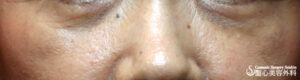
広島院 福岡院医師 西田 真
190,000円(税込209,000円)
麻酔クリーム及びブロック麻酔後、細い鋭針で皮下へ慎重に注入。【成分】患者様自身のPRP(多血小板血漿)
浮腫、痛み、斑状出血、皮下結節、皮下色素沈着、アレルギー反応、異常増殖
Before
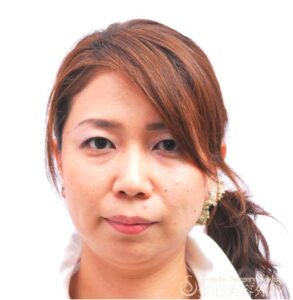
After
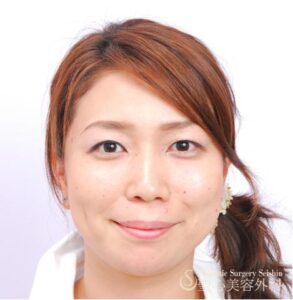
札幌院院長 前多 一彦
620,000円(税込682,000円)
麻酔クリーム及びブロック麻酔後、細い鋭針で皮下へ慎重に注入。【成分】患者様自身のPRP(多血小板血漿)
浮腫、痛み、斑状出血、皮下結節、皮下色素沈着、アレルギー反応、異常増殖
Before
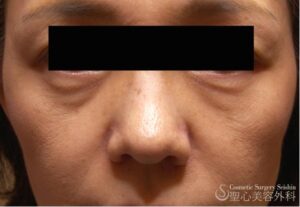
After
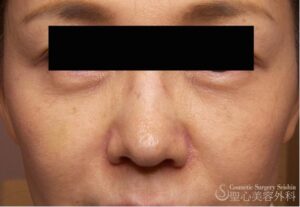
札幌院院長 前多 一彦
620,000円(税込682,000円)
麻酔クリームおよびブロック麻酔後、極細の鋭針や鈍針などで慎重に注入。【成分】患者様自身の、PRP(多血小板血漿)に成長因子(ヒト線維芽細胞増殖因子)、塩化カルシウム。
浮腫、痛み、斑状出血、皮下結節、皮下色素沈着、アレルギー反応、異常増殖、悪性腫瘍の既往がある場合腫瘍の増大。
Before
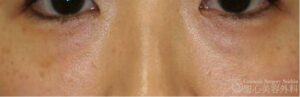
After
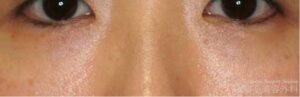
六本木院院長 伊藤 康平
190,000円(税込209,000円)
麻酔クリーム及びブロック麻酔後、細い鋭針で皮下へ慎重に注入。【成分】患者様自身のPRP(多血小板血漿)
浮腫、痛み、斑状出血、皮下結節、皮下色素沈着、アレルギー反応、異常増殖
Before
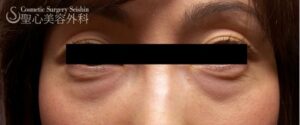
After
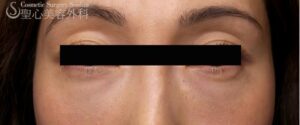
札幌院院長 前多 一彦
140,000円(税込154,000円)
麻酔クリーム及びブロック麻酔後、細い鋭針で皮下へ慎重に注入。【成分】患者様自身のPRP(多血小板血漿)
浮腫、痛み、斑状出血、皮下結節、皮下色素沈着、アレルギー反応、異常増殖
Before
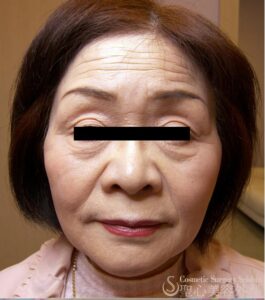
After
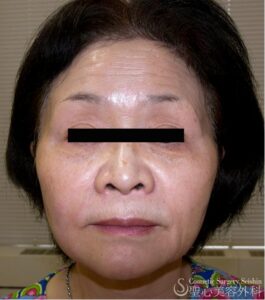
札幌院院長 前多 一彦
766,000円(税込842,600円)
麻酔クリームおよびブロック麻酔後、極細の鋭針や鈍針などで慎重に注入。【成分】患者様自身の、PRP(多血小板血漿)に成長因子(ヒト線維芽細胞増殖因子)、塩化カルシウム。
浮腫、痛み、斑状出血、皮下結節、皮下色素沈着、アレルギー反応、異常増殖、悪性腫瘍の既往がある場合腫瘍の増大。
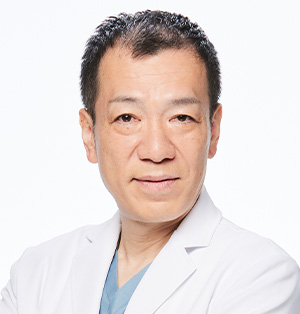
| 1989年 | 宮崎医科大学医学部卒業 九州大学生体防御医学研究所附属病院 勤務 |
|---|---|
| 1990年 | 九州大学医学部附属病院 勤務 |
| 1991年 | 九州大学医学部附属病院(第2外科)にて診療をしながら、同病院の医療情報部にて、研究に従事 |
| 1993年 | 早良病院(現 福岡ハートネット病院)にて外科診療と研究の両立を継続 |
| 1995年 | 品川美容外科 勤務 |
| 2000年 | 聖心美容外科に招聘 東京院副院長就任 |
| 2001年 | 福岡院院長就任 |
| 2003年 | 聖心美容外科東京院院長就任 |
| 2004年 | 聖心美容外科統括院長就任 |
| 2015年 | 第104回日本美容外科学会会長に就任 |
| 2017年 | 公立大学法人横浜市立大学医学部 臨床教授に就任 |
| 2022年 | 日本美容外科学会(JSAS)理事長に就任 |
| 未承認医薬品等である事の明示 | PRP KITは未承認機器・医薬品です。 |
|---|---|
| 入手経路等の明示 | Ycellbio Medical社 |
| 国内の承認医薬品等の有無の明示 | 同一の成分や性能を有する他の国内承認医薬品等はありません。 |
| 諸外国における安全性等に係る情報の明示 | 以下の認証を取得しております。 CE、KFDA承認。 |
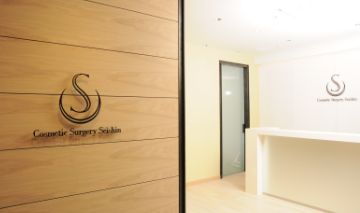
〒060-0005
札幌市中央区北5条西2-5 JRタワーオフィスプラザさっぽろ15F
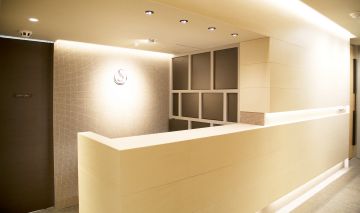
〒106-0032
東京都港区六本木6-6-9ピラミデ2F
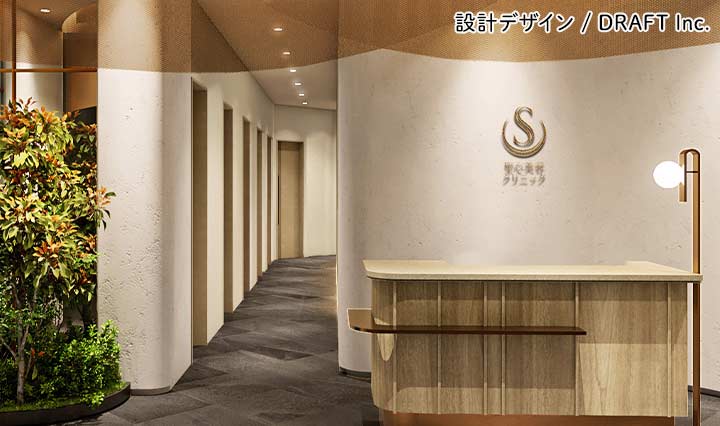
〒104-0061
東京都中央区銀座1丁目9-13 プライム銀座柳通りビル9F
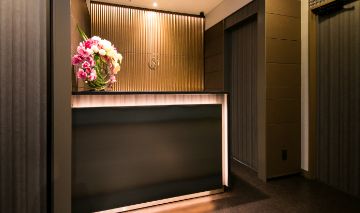
〒221-0835
横浜市神奈川区鶴屋町2-24-1 谷川ビルANNEX7F
隣接する谷川ビルからはお越しいただけませんのでご注意ください。
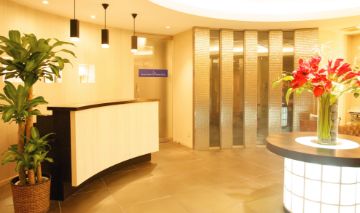
〒413-0011
静岡県熱海市田原本町4-16伊東園ホテル熱海館1階
診療内容が一部聖心美容クリニックとは異なるため、詳しくは聖心美容クリニック 熱海院のホームページをご確認ください。
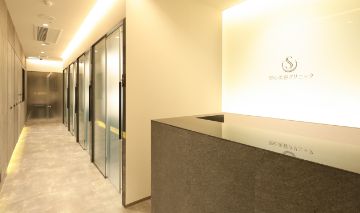
〒451-0046
名古屋市西区牛島町6-24 アクロスキューブ名古屋5F
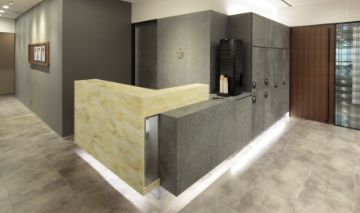
〒530-0001
大阪市北区梅田3-3-45マルイト西梅田ビル2F(ホテルモントレ大阪)
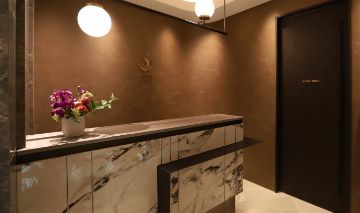
〒730-0035
広島市中区本通3-10 本通サザン6F
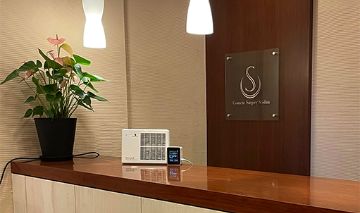
〒810-0041
福岡市中央区大名1-1-38 サウスサイドテラス4F
聖心美容クリニックでは、PRPを利用して肌の若返りを行う再生美容施術を行っています。
当ホームページは医師監修のもと、医療広告ガイドラインを遵守しています
聖心美容クリニックでは、厚生労働省より2018年6月1日に改訂され施行された医業若しくは歯科医業又は病院若しくは診療所に関する広告等に関する指針(医療広告ガイドライン)」に沿ってホームページを作成しております。また全てのページは医師が監修した上で掲載しております。
再生医療はじめ、様々な科目の専門医・学会会員の医師がいます

聖心美容クリニックでは、第104回日本美容外科学会(JSAS)会長を務めた鎌倉達郎をはじめ、公立大学法人横浜市立大学医学部元臨床教授、日本美容外科学会(JSAS)理事、IMCAS World Scientific Committee board member、日本再生医療学会会員、日本再生医療学会再生医療認定医、日本先進医療医師会理事、医学博士、国際形成外科学会(IPRAS)会員、日本美容外科学会(JSAS)専門医、日本美容外科学会(JSAPS)正会員、日本形成外科学会専門医、日本形成外科学会再建・マイクロサージャリー分野指導医、日本形成外科学会領域指導医、日本外科学会認定医、日本美容外科医師会会員、日本臨床抗老化医学会会員、日本臨床医学発毛協会認定発毛診療指導認定医日本美容皮膚科学会会員、日本皮膚科学会専門医、メソセラピー研究会会員、日本形成外科手術手技学会正会員など様々な資格を有した医師が在籍しています。
医師が直接、患者様のお悩みや状況を十分にお伺いします。
最寄りの聖心美容クリニックでご相談いただけますので来院予約をお願い致します。
0120-600-856
電話受付 [09:30 - 20:00] 夜間 [20:00 - 23:00]
自動音声対応 [23:00 - 9:30]
※20時以降は新規予約のみです。
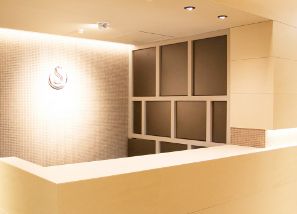
聖心美容クリニックでは、患者様にリラックスしてお過ごしいただけますよう、心を尽くしてお待ちしています。プライバシーが確保された空間で、安心して再生美容についてご検討ください。